Understanding whether Is IPTV Legal in Australia requires separating internet television technology from copyright broadcasting rights. Internet Protocol Television itself is 100% lawful technology used nationwide by Australian telecommunications operators, free-to-air networks, and global entertainment platforms.
To directly answer the question Is IPTV Legal in Australia: Internet Protocol Television is completely lawful technology in Australia. It is the exact digital delivery method employed by Telstra TV, Optus Sport, Foxtel Now, ABC iview, SBS On Demand, and 7plus. Legality does not depend on the transmission protocol itself, but on whether the content broadcaster possesses authorized licensing rights for the intellectual property being streamed into the Australian market.
Under Australian federal law, regulatory enforcement actions conducted by the Australian Federal Court and telecommunication bodies focus strictly on commercial piracy rings, unauthorized re-streamers, and sellers of pre-configured circumvention devices under Section 115A, rather than domestic household consumers.
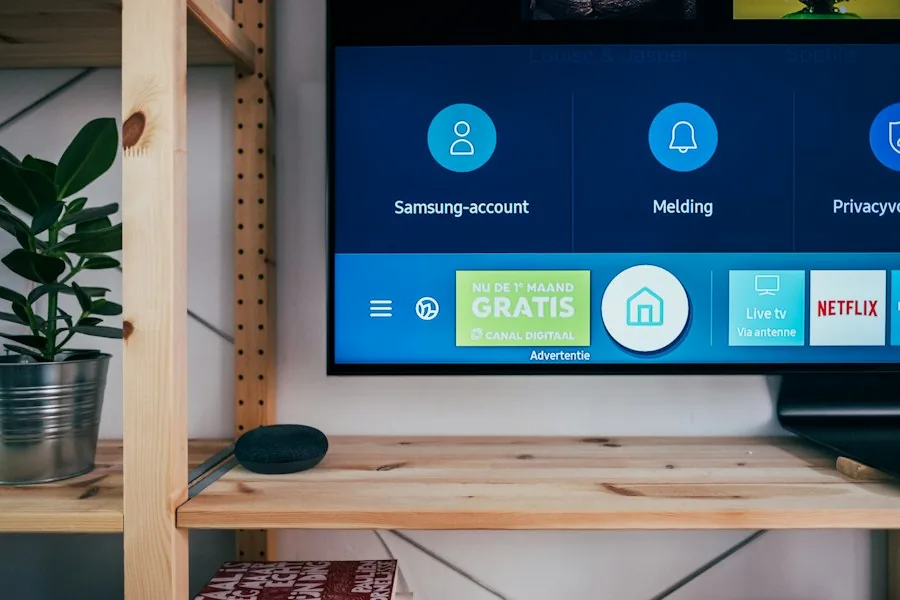
The technological architecture behind IPTV simply routes digital audio and video packets across standard Internet Protocol (IP) networks instead of terrestrial radio masts or satellite dishes. From an engineering and statutory standpoint, IPTV is indistinguishable from standard web data traffic.
When Australian households use media streamers to watch digital programming, the legal obligations surrounding copyright ownership fall on content distributors. Australian consumer law and established common law protect everyday television viewers from criminal prosecution.

To ensure Australian streamers have total clarity, here is a breakdown of the 5 core statutory pillars governing digital streaming, media hardware, and telecommunications law.
IPTV protocol itself is an open international networking standard. No Australian regulatory body has ever banned the underlying technology, HLS video streams, or M3U playlist file architecture.
The primary statute governing media broadcasting is the Commonwealth Copyright Act 1968. Section 115A empowers copyright owners to seek Federal Court injunctions requiring ISPs to block offending offshore host servers.
Devices such as the Amazon Firestick, Apple TV 4K, Google Chromecast, and Android TV boxes are sold in major retail stores (JB Hi-Fi, Harvey Norman) and are 100% legal to purchase and own in Australia.
In Australian legal history, authorities have consistently focused enforcement efforts on unauthorized commercial syndicates and illegal server operations, never prosecuting individual home viewers.
Australian consumers have the legal right to secure their home network using encrypted Virtual Private Networks (VPNs). Utilizing encrypted connections to prevent domestic ISP throttling and safeguard online personal privacy is fully supported under Australian consumer protection principles.
Review how different digital streaming arrangements are classified under Australian telecommunications and intellectual property statutes.
| Streaming Category | Examples | Australian Legal Status | Primary Regulatory Focus |
|---|---|---|---|
| Official Free-to-Air IPTV | ABC iview, SBS On Demand, 7plus, 9Now, 10 Play | 100% Legal & Licensed | Funded via public charters or commercial advertising |
| Commercial Subscription IPTV | Kayo Sports, Foxtel Now, Stan, Optus Sport | 100% Legal & Licensed | Subscription fees with domestic territory broadcast rights |
| Independent IPTV Services | Global M3U / Xtream Codes services with overseas CDN relays | Cross-Border Grey Area | Targeted by ACMA and Federal Court ISP DNS blocking orders |
| Fully Infringing Pirate Portals | Pre-loaded piracy boxes with unauthorized cracked decoders | Unlawful Distribution | Commercial criminal penalties for commercial operators |
A common point of confusion is whether hardware devices like the Amazon Fire TV Stick, Google Chromecast, Apple TV, or dedicated Android TV boxes are prohibited under Australian law.
The answer is unequivocal: hardware media devices are completely legal. Similarly, popular third-party media applications like TiviMate, IPTV Smarters Pro, IBO Player, and VLC Media Player are clean, empty media players containing zero content of their own. They simply interpret playlist standards.
Australian telecommunications retention laws require major internet providers to collect and store extensive metadata on customer browsing habits. Understand how VPNs protect your household.
Using a Virtual Private Network (VPN) is 100% legal in Australia. The Australian Federal Government, business entities, and cybersecurity professionals recommend VPNs for encrypted internet communication, safeguarding against malicious DNS spoofing, and ensuring private web access.
For IPTV viewers, utilizing a VPN prevents broadband providers (like Telstra, Optus, or TPG) from artificially throttling video streaming traffic during peak Sunday sports broadcasts. It also bypasses routine DNS level filters, ensuring consistent high-speed 4K streaming performance without buffering interruptions.
✓ AusLiveTV servers are fully compatible with all major Australian VPN services, including ExpressVPN, NordVPN, Surfshark, and Private Internet Access.
Find straightforward answers to regulatory questions surrounding Australian copyright laws, ISP filtering, media boxes, and home streaming safety.
Test Our 24hr Free Trial →Enjoy uninterrupted Australian footy, live global sports, news, and 50,000+ on-demand movies powered by local Sydney and Melbourne CDN nodes.
Zero credit card required for trial • Instant setup in 5 minutes • 🇦🇺 High-speed Australian servers

